When Beer Became Jelly, and Design Became Its Voice
There are moments in creative work when what’s already good quietly asks for structure — not reinvention.
That was true for the founder of Malty & Hoppy Delicacy, a Toronto-based craft food brand known for its beer-infused jellies, jams, and spreads. Born from a love of French culinary tradition and Ontario craft beer, each jar brings together an unexpected flavour world: local brews transmuted into rich, layered preserves that play beautifully with cheese boards, toasts, and brunch tables.
The products were already distinctive — bold in spirit yet elegant in execution. The founder crafted flavours with attention and heart. What the brand lacked was a visual identity that could hold that spirit with equal confidence.
So rather than rush toward growth or gimmicks, we paused and looked at what was already there.
We began by understanding not just what the product was, but how it felt when someone first reached for a jar. Complex yet approachable. Craft-driven yet contemporary. Honest in flavour, but playful in possibility.
With that in mind, we developed an icon and visual system that could speak to both heritage and curiosity — a design that honours tradition while gently inviting exploration.
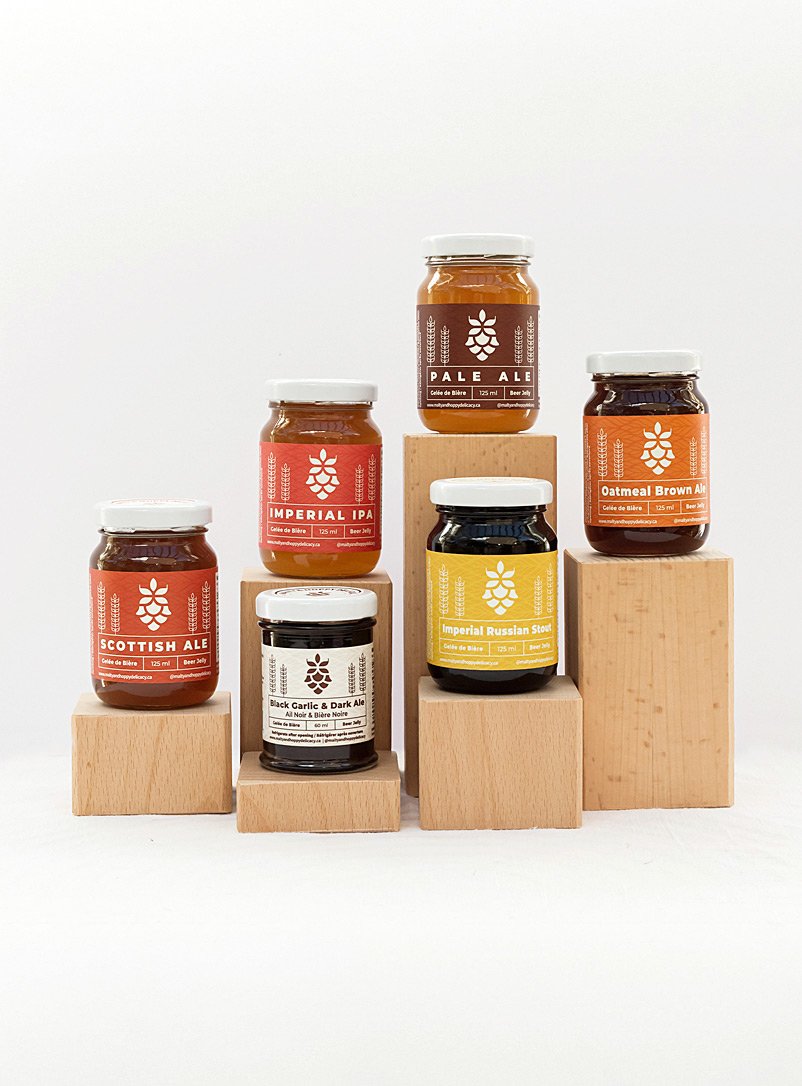
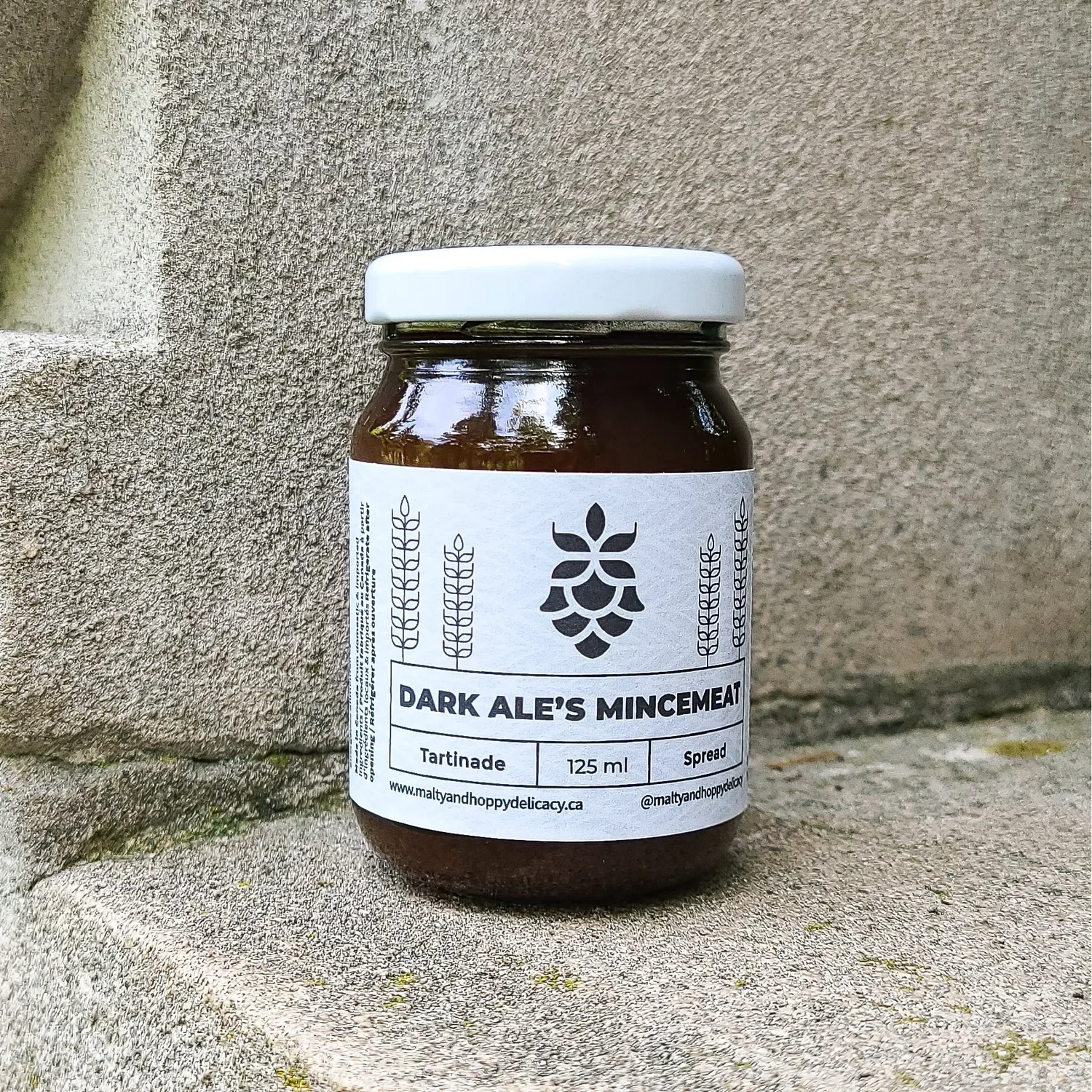
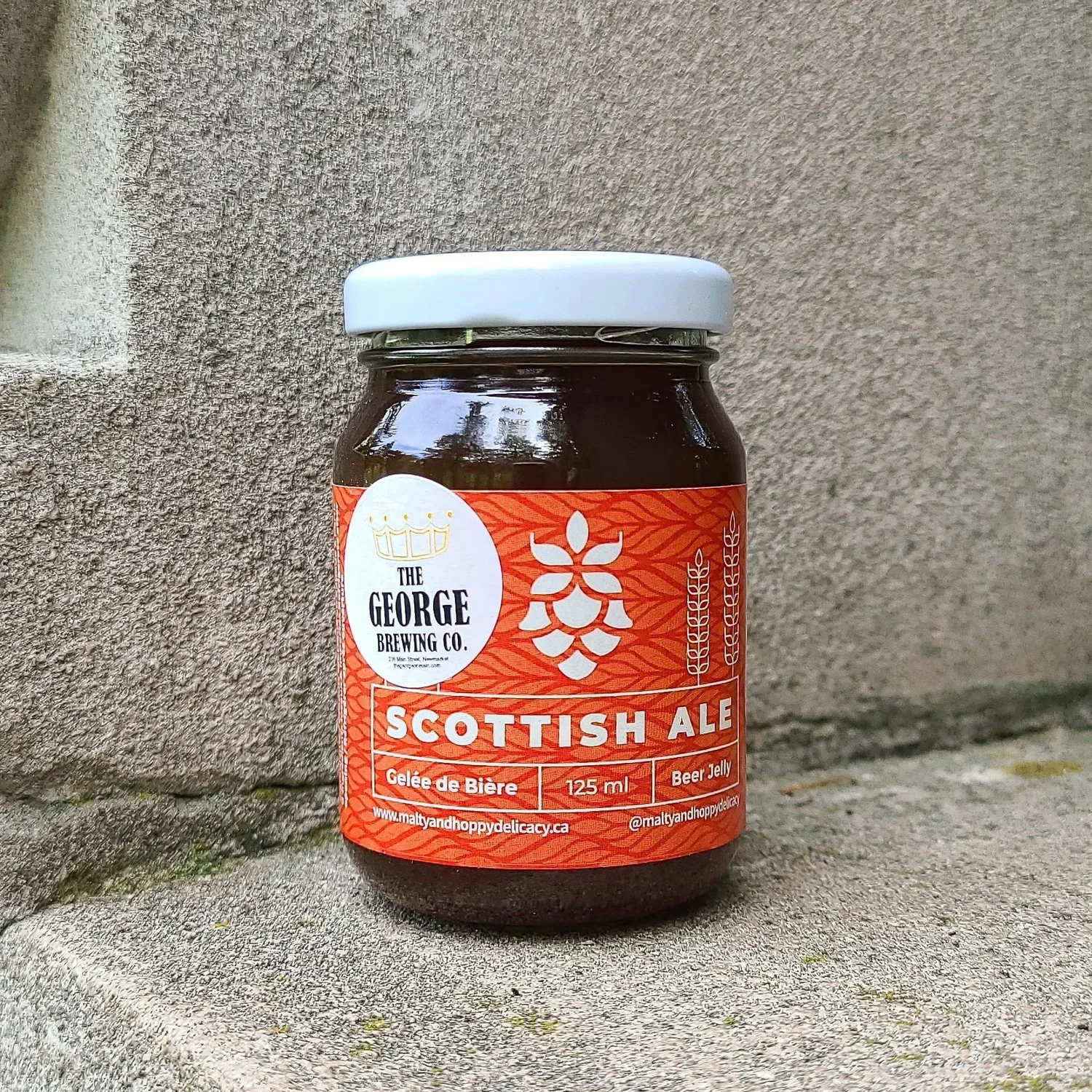
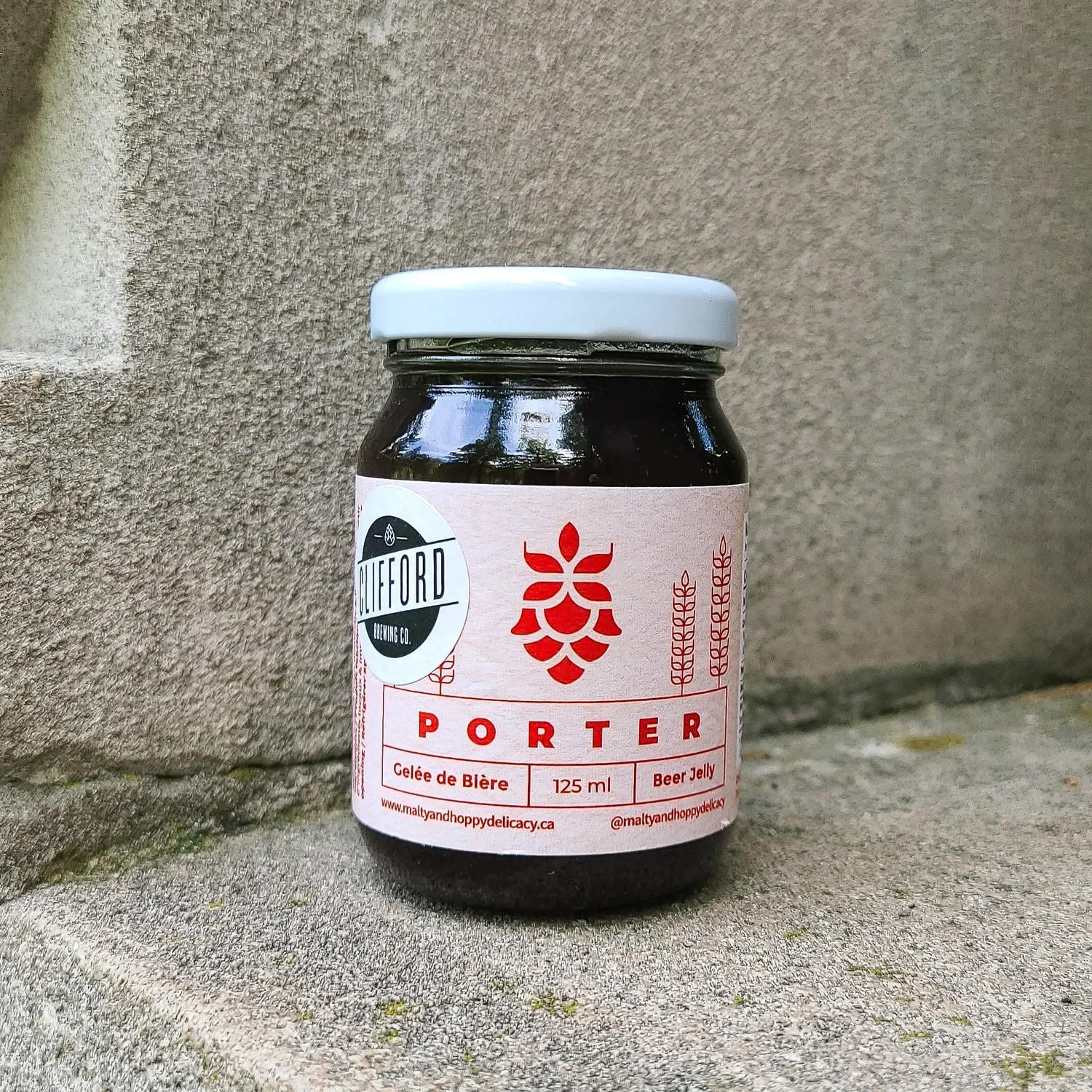
From that foundation, the rest of the visual language followed with a sense of quiet logic. A series of packaging designs emerged that didn’t shout or over-promise, but instead articulated a consistent personality: thoughtful, unexpected, and rooted in craft. Each label became a voice bringing coherence to a diverse product line.
The result wasn’t louder or more aggressive.
It was clearer.
The brand began to appear in the world not as a collection of individual jars, but as a family of flavours with a shared identity—one that could be read, remembered, and returned to.
Sometimes good work doesn’t need louder design.
It needs design that listens.
www.maltyandhoppydelicacy.ca